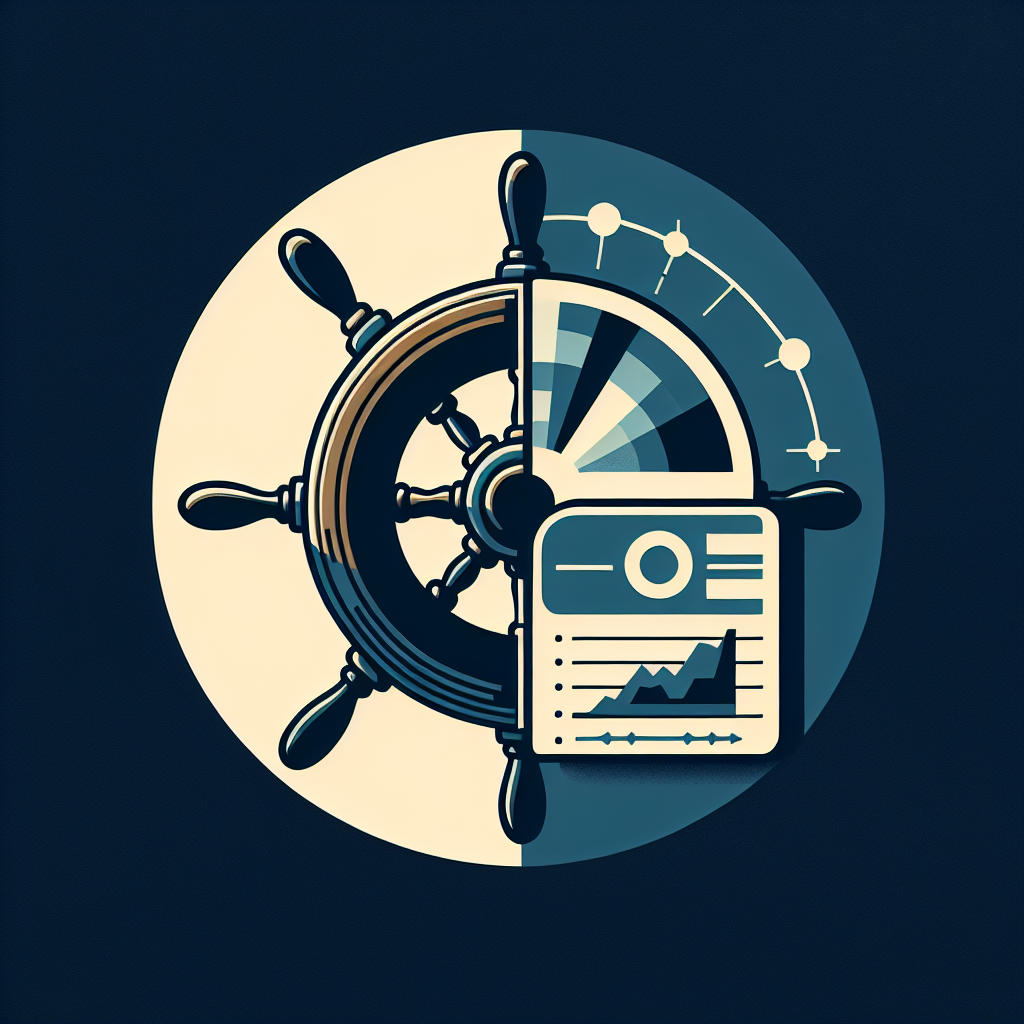
Being a product leader is hard work in a very specific way: you are always steering a huge, expensive ship full of people who think they know a better route.
The frameworks, templates, and AI tools are helpful, but they do not change the reality that product sits at the collision point of business, customers, engineering, sales, and the board. Everyone has opinions. Everyone has metrics. Very few are ever fully satisfied.
That gap between expectation and reality is where most of the pain lives for modern product leaders.
The intersection is getting more crowded
On paper, this should be the golden era of product. According to Atlassian’s State of Product in 2026, 85% of product folks say they play a strategic role, and 90% still enjoy the work that pulled them into product in the first place.
At the same time, 84% are worried about whether their products will actually succeed in the market, and only a small fraction say that measurable business results are the most rewarding part of the job. That is a brutal signal: the people accountable for outcomes rarely feel rewarded by outcomes.
Layer in everything else you are juggling. Sales wants custom deals. Engineering wants fewer surprises. Executives want profitable innovation. Customers want faster value. Your teams want clarity, meaning, and a sane workload. You are the intersection for all of it.
Why product leadership feels like steering a cruise ship
The closest metaphor I have found is captaining a cruise ship.
You are on the bridge, staring at a giant dashboard with more controls than you can comfortably hold in your head. Every decision has a cost. The wheel is huge. If you turn too quickly, you throw people off balance. If you turn too slowly, you miss the island.
Meanwhile, below deck and out on the pool decks, hundreds of people are having wildly different experiences. Some are living their best life. Some are complaining about everything. Some are seasick. Some are arguing about which bar should be open longer. You cannot micro-manage any of it. You can only keep steering toward the destination the company committed to.
That is exactly what product leadership feels like when your team is burning millions of dollars a year in payroll and cloud costs. You move churn in the right direction, you grow engagement, you ship the AI features everyone asked for, and a surprising number of people still feel unhappy.
The uncomfortable truth: you cannot make everyone happy and still do your real job.
What is really going on under the surface
From the outside, this can look like a prioritization or process problem. In reality, there are deeper forces at work.
First, the strategic expectations keep rising while the time and space for strategy keep shrinking. That same Atlassian report highlights how little uninterrupted time product teams get for real planning, data analysis, and experimentation. Many leaders are effectively flying this ship on partial data and scattered hours between meetings.
Second, the emotional load on leaders is multiplying. Research on leadership trends for 2026 shows that leaders are responsible for bigger spans of control, tougher performance expectations, and more stressed teams. Accountability is up, empathy is often treated as optional, and burnout follows close behind.
Third, conflict is built into the structure of the role. You are reconciling incompatible incentives all day. Kate Leto puts it plainly in Conflict is Not the Secret Sauce to Building a Great Product: conflict itself is not the magic; learning to handle it with emotional intelligence is.
Product managers and product leaders are not just roadmap owners. They are conflict navigators. That is the real job underneath the job title.
Five shifts that help you steer the ship with intention
1. Accept that not everyone will be happy
Most of us come into product wanting to please people. We like harmony. We like being the glue.
But if your bar is “everyone is happy with every decision,” you will either freeze or slowly turn your product into a dumping ground for stakeholder requests.
Instead, reset your bar: “Everyone understands why we made this decision, even if they disagree.” That is where true accountability lives.
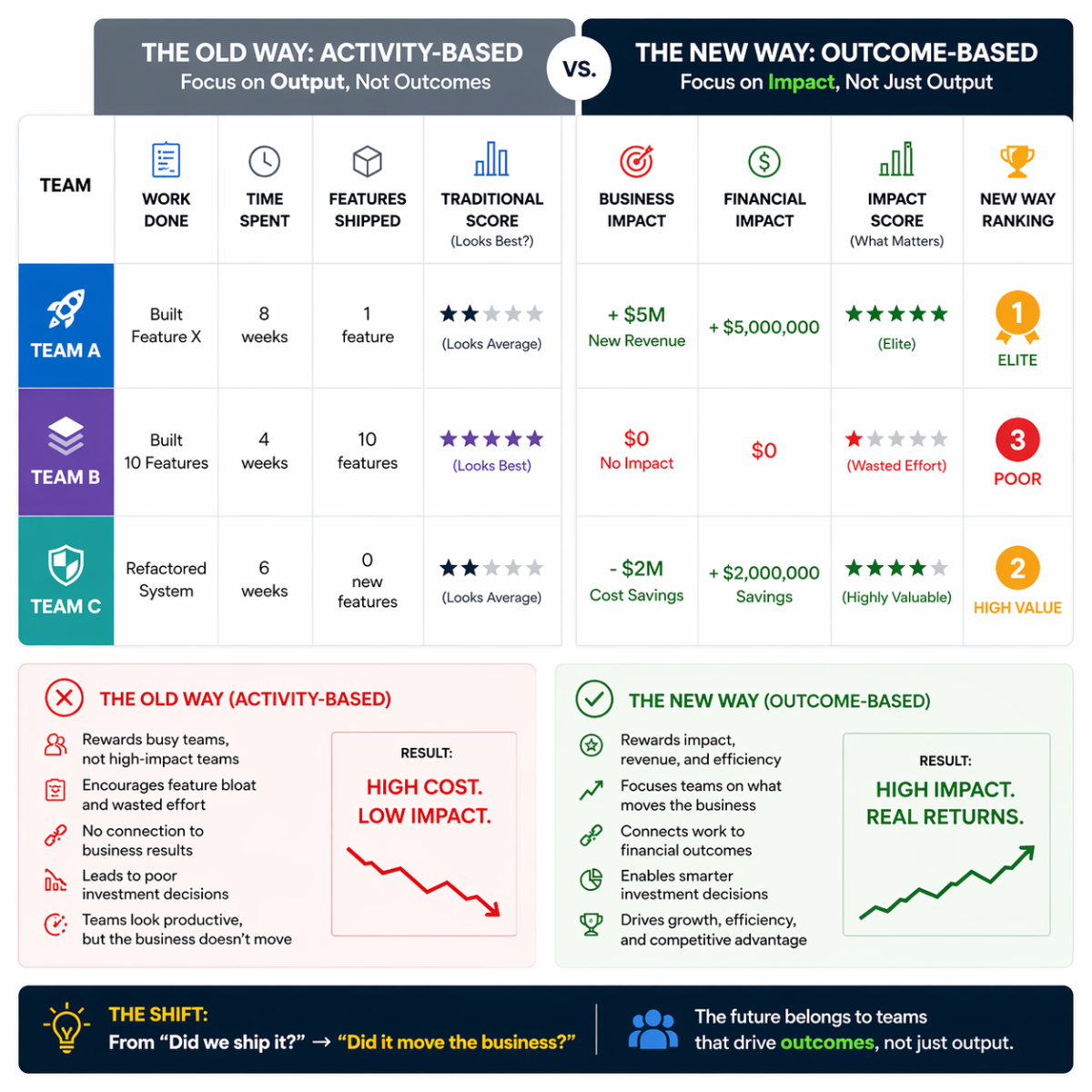
This is also how you move from activity to outcomes. If that is a live challenge for you, I unpack it more in Are We Really Tracking Outcomes? and From Velocity to Value.
2. Anchor on outcomes, not feature lists
Most conflict in product is not truly about a feature. It is about what that feature represents.
Recent trends in product, like the shifts outlined in Product School’s Product Management Trends: 11 Shifts Shaping 2026, all point in the same direction: outcome-based accountability is replacing feature shipping as the definition of success.
When you make outcomes the unit of conversation, hard calls get simpler. You can say “this request does not move our churn or retention goals, so it does not make this release” instead of “we do not have capacity for that.” One feels political. The other feels grounded.
3. Carve out real space for strategy and learning
Every serious report on product work in 2026 says some version of the same thing: teams are not experimenting or learning enough.
Atlassian’s study notes that only a minority of teams run regular experiments. Product School emphasizes speed of learning as the real moat. Mind the Product’s take on product thinking in the AI economy shows how valuable this skill set has become across roles.
That learning speed is almost impossible if your calendar is wall to wall stakeholder meetings.
Block time where your only job is to think, look at data, and explore options. Use AI to clear the low-value clutter: summarizing interviews, first-pass analysis, drafting options. Tools can give you back hours, but only if you protect that time for actual strategic work instead of more status updates.
If you want a bigger-picture lens on how all of this plays out across the full journey from idea to retirement, I dig into that in Navigating the Product Life Cycle.
4. Get good at conflict, not good at avoiding it
Conflict is not a sign that you are doing the job badly. It is often a sign that you are touching something important.
Great product leaders treat conflict as a skill, not an accident. Pulling from work by Roman Pichler, ProductPlan, and others, a simple pattern shows up again and again.
It is hard, repeatable leadership work. And it matters because unresolved conflict silently drags your product decisions off course.
5. Use AI as an assistant, not a captain
AI is finally part of most product leaders’ daily toolkit, but it is not driving the ship.
The State of Product in 2026 report points out that AI is saving product teams a couple of hours a day on routine tasks, yet it has not meaningfully cracked the hardest problems like prioritization, complex analysis, and cross-functional alignment.
Product School’s trends echo this: real advantage comes when organizations become AI-first in how they learn, prototype, and release, not when they simply adopt more tools.
Use AI to take friction out of your workflow, so you can invest more of your own judgment where it actually matters: defining outcomes, reading the room, and making the tradeoffs a model cannot see.
Why we still love driving the ship
For all the chaos and conflict, many of us still genuinely love product leadership.
We love watching a team ship something meaningful. We love seeing churn go down, engagement go up, and a strategy turn into something customers can touch. We even love the storytelling side of it, because it is how we align people around what matters. I unpack more of that in Moving Beyond Execution: How Storytelling Elevates Product Leaders.
The point is not to eliminate the mess. The point is to steer through it with more clarity and less self-blame.
You are captaining a cruise ship, not a kayak. Some people will always be unhappy with the speed, the route, or the drink selection. Your responsibility is to keep moving toward the destination that best serves your customers and your business.
That is the core of how we think about product at Iteright: give leaders clearer outcomes, stronger alignment, and enough space to steer with intention instead of exhaustion.
So as you look at your roadmap, your stakeholder list, and your own emotional load, ask yourself: where are you still trying to keep everyone happy, and where do you need to simply keep steering the ship?
If you can answer that honestly, you are already leading at a different level.