Enjoying the Tunnel: Why Product Leaders Need to Fall in Love with the Journey
Building during an AI boom without burning out on the way to there
I am sitting in a coffee shop on Christmas Eve. Laptop open. 2025 almost wrapped. A rough plan for 2026 on the screen. Roadmap ideas. Prospective customers. Big bets on where to take the product next.
And my brain keeps drifting back to the same thought: how far there is still to go.
For most of my career, that feeling has eaten me alive. I was always stressed about when I would finally get there, even though I could never really define what there meant. Is it a revenue number? Some acquisition? A logo wall that looks good on LinkedIn? Twenty million in the bank that will not actually make you happy once the chase is over?
This past year forced me to learn a different skill: enjoying the journey while I am still deep in it. Not perfectly. Not all the time. But enough that I am heading into 2026 with more belief, more calm, and more conviction than I have had in a long time.
The moments we rush past are the whole point
When I look back on 2025, the memories that stand out are not some abstract milestone. They are specific, messy, human moments:
- The call where a customer said one sentence that unlocked a breakthrough feature idea.
- The weekend where we designed, built, and launched that feature in one push.
- The flight to meet a new client in a city I had never visited, with all the stress and doubt before the meeting and the relief when it clicked.
- Seeing mountains for the first time in years on that same trip and realizing how long I had had my head down.
- The two weeks where the kids were sick, no one was sleeping, it felt like the world was falling apart, and then we landed the biggest client yet anyway.
- Hiring the first employee and watching them quietly make the business better every single day.
Those are the moments. Those are the memories. And they fly by if you are only focused on whatever you have labeled as there.
Founders and leaders I respect keep reinforcing the same pattern. The team at Swisspreneur breaks the entrepreneurial path into stages like ideation, validation, funding, launching, scaling, and adapting. Nowhere in that entire arc is a magical finish line. It is just cycle after cycle of learning and building.
Ahmed Negm, in his piece on the toughest lessons he learned as a founder, talks about the emotional toll of that cycle. The temptation to chase vanity metrics. The way burnout sneaks in when you try to do everything yourself. The reality that you never really arrive. You just grow.
When you zoom out across these stories and my own year, the lesson is the same: the journey is not what you have to suffer through to get to the good part. The journey is the good part.
The dark tunnel feeling is real
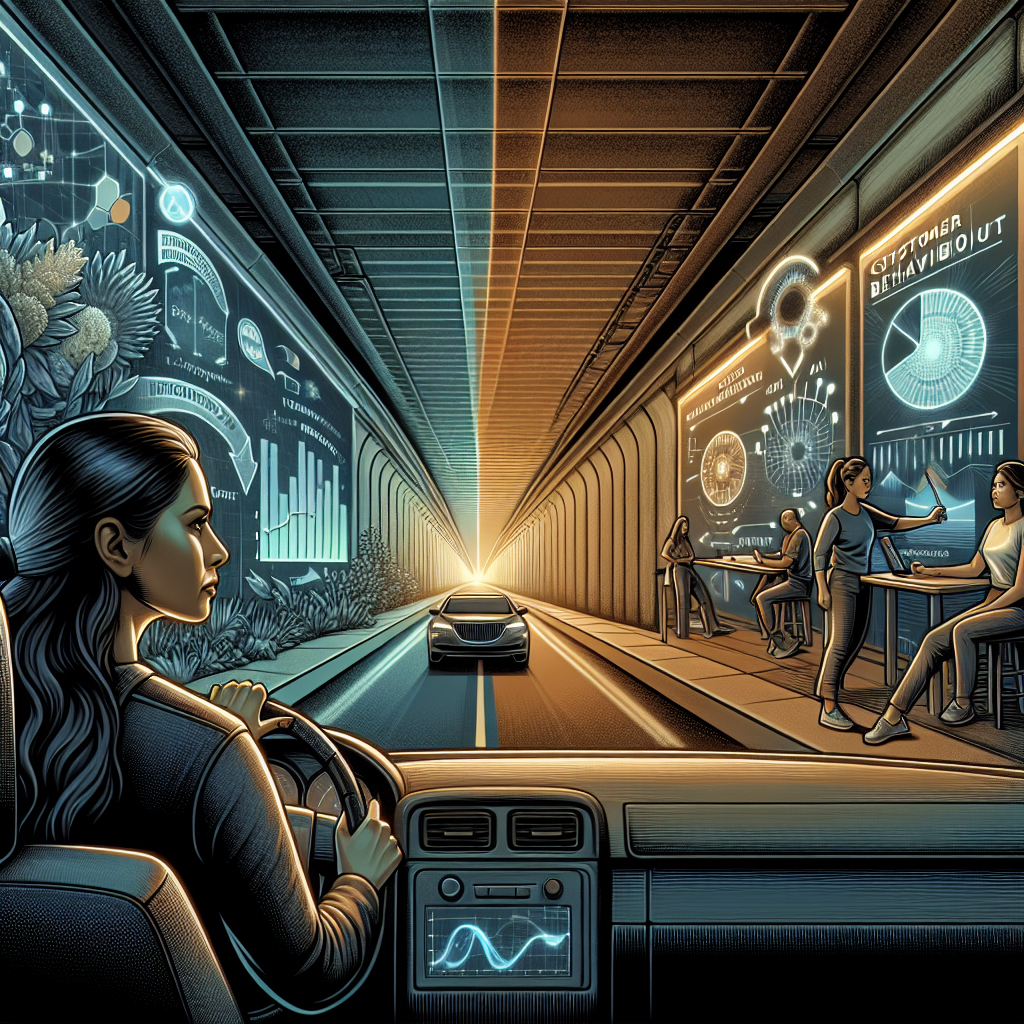
At the same time, let us be honest. Building a product, a company, or a transformation inside a larger organization often feels less like a scenic drive and more like being stuck in a tunnel that never ends.
You are driving. It is dark. You have no idea how long the tunnel really is. Everyone around you says the light is coming. Any day now. One more quarter. One more board meeting. One more OKR cycle. But when you look up, it is still just concrete and darkness.
That is the part that breaks most teams.
Only a small fraction of startups survive long term, as stories like these founder journeys from Siift keep reminding us. In my more cynical moments, it honestly feels closer to the 99 percent failure rate we all joke about. Not because the ideas are bad, but because it is hard to keep going in the tunnel when you cannot see the exit.
The founders and executives who do keep going have one thing in common: they find a way to believe in and even enjoy the work while they are still in that tunnel. They take pride in the craft, in the experiments, in the hard conversations with customers and colleagues. They build resilience muscles on purpose.
What other founders and operators keep repeating
Look across the research and playbooks and it all rhymes.
- The Swisspreneur perspective makes it clear that entrepreneurship is a constant loop of testing, learning, and adapting, not a straight shot.
- Ahmed Negm urges founders to keep things simple, choose mentors wisely, protect their mental health, and focus on real metrics instead of vanity signals.
- Baytech Consulting, in their 2025 Startup Success Blueprint, lays out a long game of accelerators, funding paths, and tooling you sequence over time, not a quick hack.
- The Founders Journey 2025 from the NSF Regenerative Medicine Engine is literally framed as a journey from research to commercialization, not an overnight win.
- Georgetown University is hosting a session on candid lessons from alumni founders, tying startups directly to self discovery, not just capitalization.
Different sectors. Different stages. Same message: this takes time. You scale thoughtfully. You build teams intentionally. You keep learning. You choose the right partners at the right moment. You do not rush the parts that actually create value.
For product and strategy leaders inside mid market and enterprise companies, the pattern is identical. The AI platform you are piloting. The multi year product strategy you are trying to push through governance. The shift from output to outcomes. None of it is a quick sprint. It is a series of tunnels and moments you have to learn to navigate and appreciate.
How to make enjoying the journey practical as a product or strategy leader
Enjoying the journey is not about being naive or lowering your standards. It is about leading in a way that keeps you, your team, and your company in the game long enough to win.
Here are a few shifts I see working with executives and teams who are doing this well.
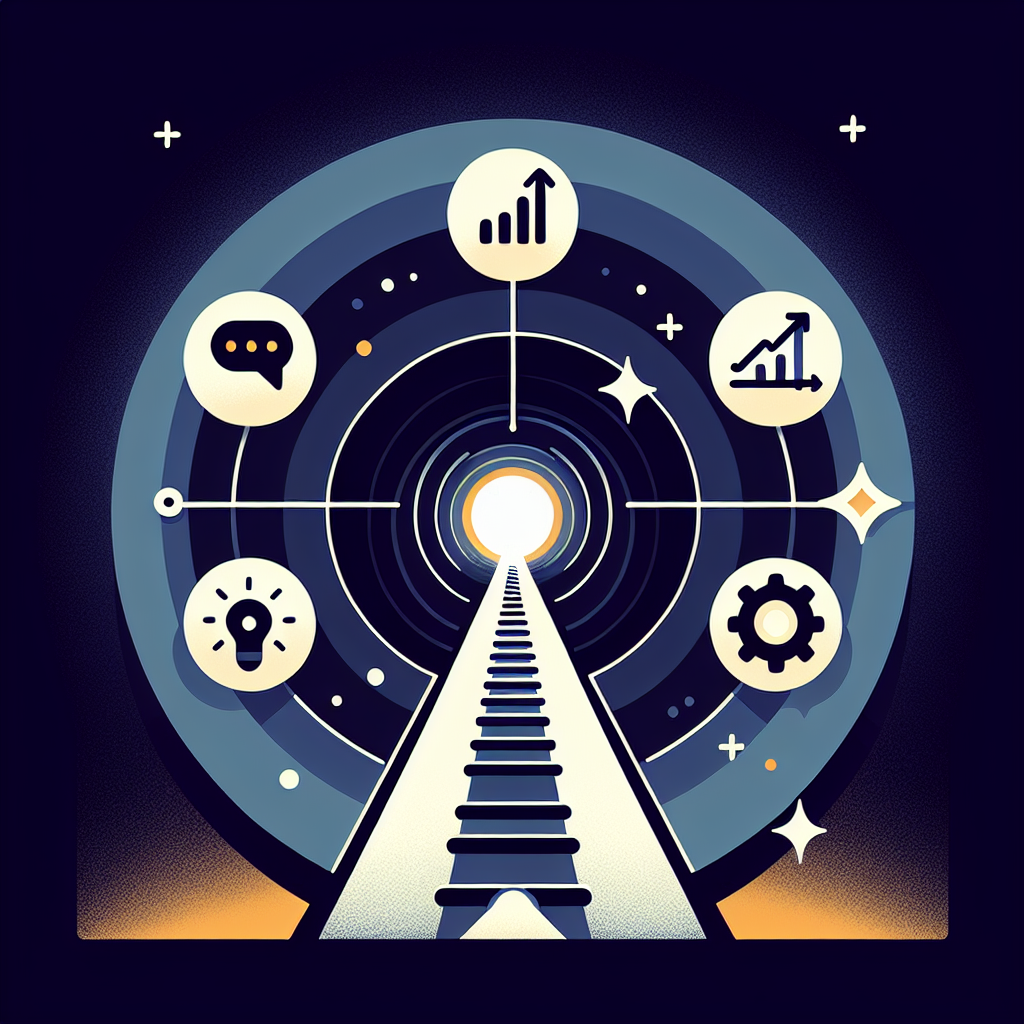
1. Redefine there in terms of outcomes, not events
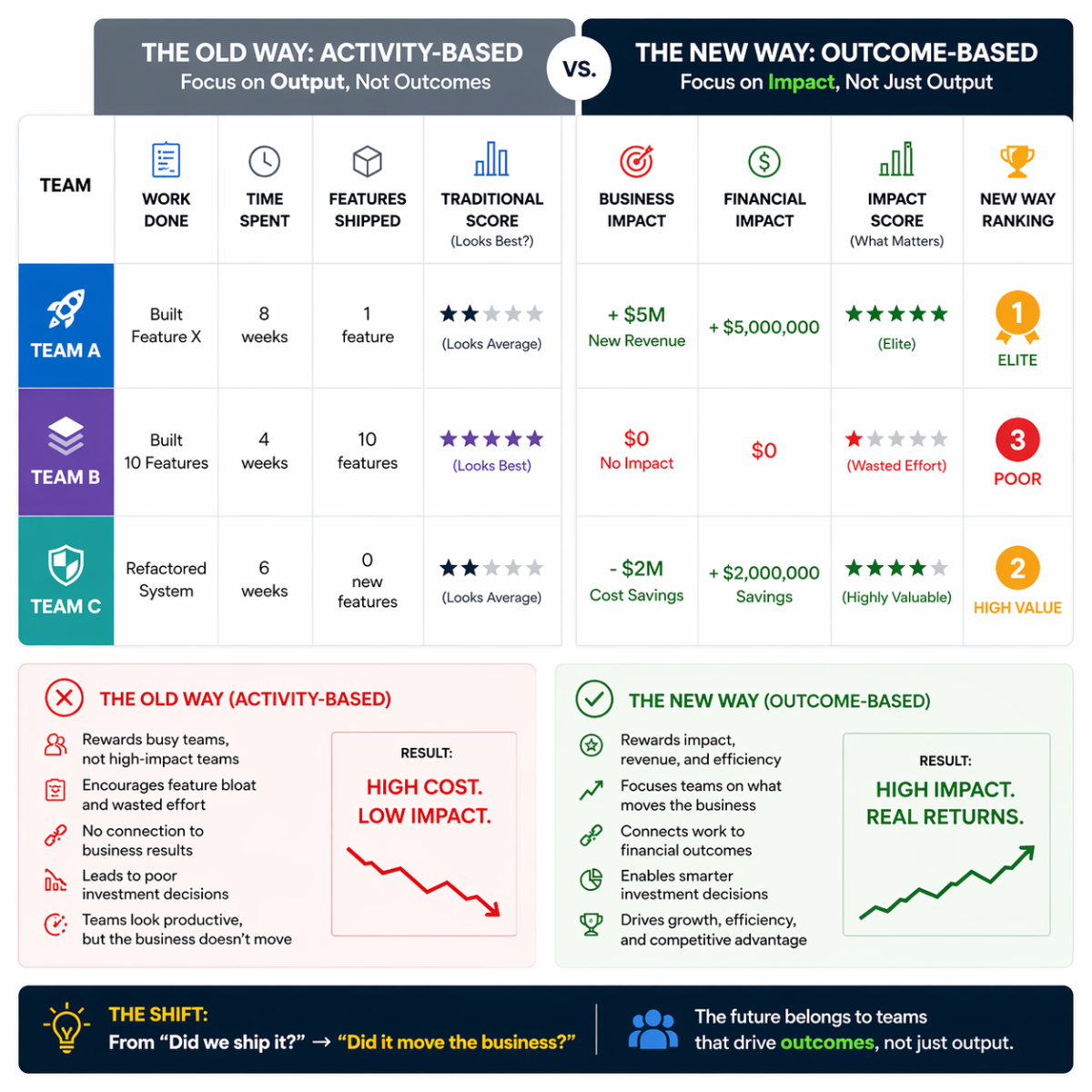
If your mental model of success is a funding round, a press release, or a big bang launch, the tunnel will always feel unbearable.
Instead, define there as a series of measurable business outcomes. Revenue you can tie to specific features. Cycle time improvements. Customer behavior shifts you can actually see in the data. That mindset is at the core of how we think about product at Iteright, and I unpack it more in this piece on tracking outcomes.
Once you do that, every small step toward a real outcome becomes part of the reward, not just a box to tick on the way to some imaginary finish line.
2. Treat learning moments as wins, not distractions
Those customer conversations that change your roadmap. The weekend where a team ships something game changing. The failed experiment that saves you from a costly wrong turn. Those are not side quests. They are the work.
Teams that love the journey create rituals around these moments. Short write ups. Weekly learning reviews. Storytelling in all hands where the focus is not just on what shipped, but on what was learned. If you are a product leader, this is exactly where strategic storytelling becomes a leadership tool, not a presentation technique.
3. Build resilience into your operating model
If the way you operate only works when nothing goes wrong, you are setting yourself up to hate the journey.
Founders like Ahmed Negm warn about trying to do everything alone and ignoring mental health until it breaks you. Inside larger companies, the same pattern shows up as hero culture, endless context switching, and death by meeting.
Design your operating model for resilience. Delegate earlier than feels comfortable. Invest in a small, experienced core team instead of a sprawling but unfocused one. Protect maker time. Say no to work that dilutes strategic focus. These are not soft decisions. They are the difference between a team that can compound value over multiple years and a team that burns out mid tunnel.
4. Make AI and technology serve the journey, not the other way around
We are building all of this during a technological boom that will reshape how companies operate. It is exciting. It is also a recipe for panic if you treat AI like a race you are already behind on.
The founders and executives who will be calm five years from now are the ones using AI to amplify clear strategies, not to paper over the lack of one. They are asking simple questions: Where does this technology actually create value for our customers and our business model? How do we test that quickly? How do we show the impact clearly?
This is the work I have been drawn to my entire career: being the bridge between technology and business results. A lot of what we are building at Iteright lives in that bridge space, helping leaders connect product decisions to real outcomes. If that resonates, you might also find this perspective on moving from velocity to value useful, as well as our take on navigating the product life cycle.
When you ground AI and technology in concrete value, the journey becomes a series of experiments and wins instead of an anxiety spiral.
Heading into 2026: belief, gratitude, and a different way to lead
As I look toward 2026, I feel something I honestly have not felt in a while: a mix of deep belief in what we are building and real gratitude for the messy, imperfect path it takes to build anything meaningful.
I know the tunnel will keep going. There will be more restless nights, more big meetings, more tradeoffs between family and work, more unexpected setbacks. That is part of the deal.
But I am more committed than ever to enjoying the journey: the late night breakthrough, the tough customer conversation, the first experiment with a new AI workflow, the quiet satisfaction of watching a teammate own something I used to carry alone.
As you plan your own 2026 roadmap, I will leave you with one question:
If you assumed there is no final there, what would you change about how you lead, what you measure, and how you show up for your team on Monday?
Your answer to that might be the most important strategy shift you make this year.